
Eye health is an important part of overall well-being, yet it is something many people overlook until they begin experiencing discomfort, difficulty focusing, or changes in their vision. Modern lifestyles also involve extended periods of screen use, artificial lighting, and less time outdoors, making eye care an increasingly common topic of discussion.
Dietary supplements have become one area of interest for people researching nutritional approaches to eye health. Lasiberry is one such supplement that has attracted attention because of its combination of botanical extracts, amino acids, vitamins, and antioxidant compounds.
But what do its ingredients actually do? Is there meaningful scientific research behind them? And how much of the information associated with Lasiberry is supported by clinical evidence?
This Lasiberry Review takes an independent, informational approach. Rather than relying on marketing statements, it examines the available product information, discusses relevant scientific studies, and explains the limitations of current research.
What Is Lasiberry?
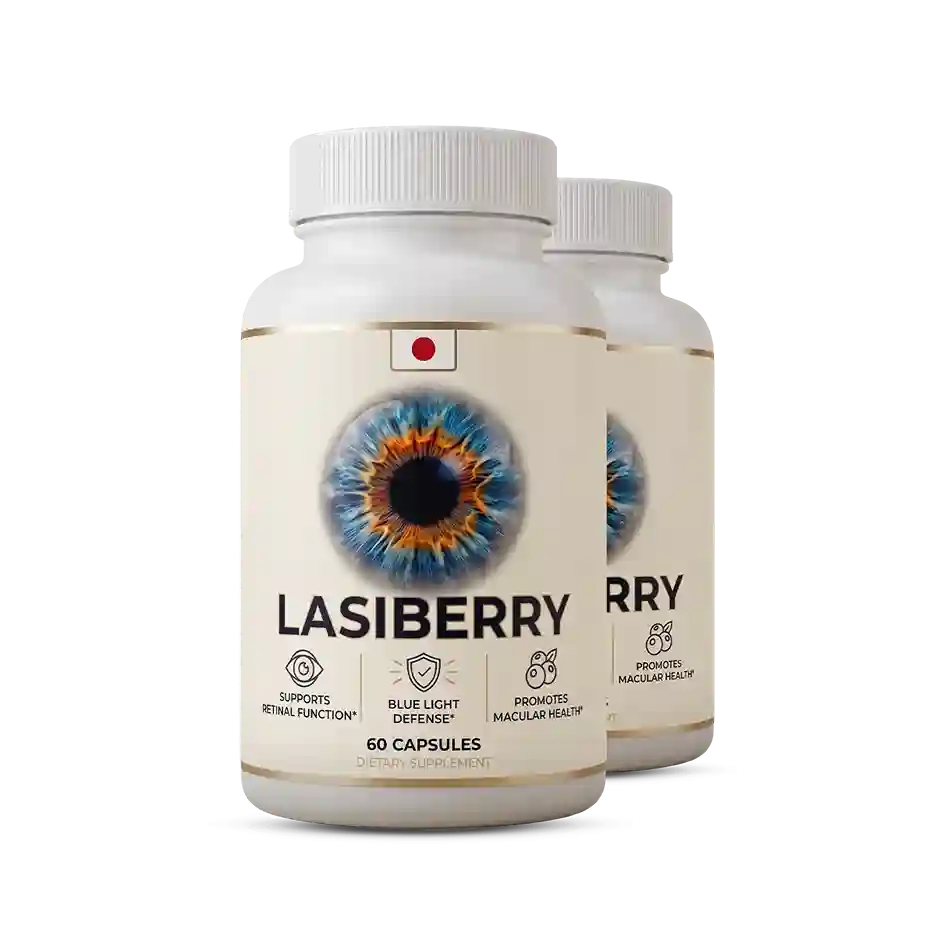
Lasiberry is an orally consumed dietary supplement marketed in connection with eye health and visual wellness. Its published product descriptions discuss ingredients associated with antioxidant activity, retinal nutrition, and normal cellular functions.
The product is presented as a nutritional formula rather than a prescription eye medication.
One important distinction is necessary: supporting normal eye function is not the same as correcting impaired eyesight or treating an eye disease.
Vision depends on several interconnected structures, including the cornea, lens, retina, optic nerve, and visual pathways in the brain. Nutritional status can influence some aspects of eye function, but a dietary supplement cannot automatically address every cause of visual problems.
For this reason, understanding the ingredients and the quality of the supporting research is more useful than relying on broad claims about vision improvement.
Lasiberry Ingredients: A Scientific Overview
Ingredient transparency is an important part of evaluating any dietary supplement.
Available Lasiberry product descriptions identify several compounds, including taurine, alpha-lipoic acid, bilberry, grape seed extract, eyebright, chromium, and various vitamins and antioxidant nutrients.
However, different publicly available product descriptions do not present an entirely consistent ingredient list. The complete Supplement Facts panel, ingredient forms, and serving amounts should therefore be checked against the actual product packaging.
The following sections discuss some of the ingredients associated with Lasiberry and what scientific research currently suggests about them.
1. Taurine and Retinal Function
Taurine is a sulfur-containing amino acid found naturally in several body tissues. It is particularly concentrated in the retina, where it participates in normal cellular processes.
Researchers have investigated taurine because of its potential involvement in:
- Retinal cell function.
- Cellular fluid regulation.
- Oxidative stress responses.
- Photoreceptor cell maintenance.
A 2021 review published in CNS Neuroscience & Therapeutics examined the relationship between taurine and oxidative stress in retinal health and disease.
The researchers discussed how taurine deficiency may contribute to retinal damage, particularly in experimental models.
However, an important limitation remains: findings involving cellular mechanisms and animal research do not automatically demonstrate that taurine supplementation improves eyesight in healthy adults.
Scientific interpretation: Taurine has a biologically relevant relationship with retinal health, but more robust human clinical research is necessary before making specific claims about supplementation outcomes.
Reference: Castelli et al. (2021), Taurine and oxidative stress in retinal health and disease.
https://pubmed.ncbi.nlm.nih.gov/33621439/
2. Alpha-Lipoic Acid and Antioxidant Activity
Alpha-lipoic acid (ALA) is a naturally occurring compound involved in mitochondrial energy metabolism.
It is also studied for its antioxidant properties and its participation in cellular redox processes.
Oxidative stress occurs when the production of reactive molecules exceeds the body’s ability to regulate them. This process has been investigated in several conditions affecting different tissues, including the retina.
Some laboratory and experimental research has examined alpha-lipoic acid in relation to oxidative damage and retinal cell protection.
However, evidence from experimental research should not be interpreted as proof that taking an ALA-containing supplement can reverse vision problems or prevent eye diseases.
The amount of alpha-lipoic acid also matters when evaluating a formulation. Without a confirmed serving amount, it is not possible to compare a product’s contents with doses investigated in research.
Scientific interpretation: Alpha-lipoic acid has interesting antioxidant properties, but its specific effectiveness as an ingredient in Lasiberry has not been established through product-specific clinical trials.
3. Bilberry Extract and Anthocyanins
Bilberry is a dark-colored fruit belonging to the Vaccinium plant family.
It contains naturally occurring compounds called anthocyanins, which contribute to its color and antioxidant activity.
Bilberry has a long history of traditional use, particularly in products associated with visual health and night vision.
Researchers have investigated whether its compounds may influence:
- Oxidative stress.
- Blood vessel function.
- Certain cellular processes.
- Visual performance under specific conditions.
However, the available clinical evidence is less convincing than traditional claims might suggest.
According to the National Center for Complementary and Integrative Health (NCCIH), bilberry has not been clearly demonstrated to help with any health condition. Research investigating night vision has produced conflicting results, and more rigorous studies have not established a meaningful benefit in healthy individuals.
Scientific interpretation: Bilberry contains interesting plant compounds, but claims that it improves night vision or restores eyesight should be treated cautiously.
Reference: National Center for Complementary and Integrative Health, Bilberry.
https://www.nccih.nih.gov/health/bilberry/
4. Grape Seed Extract and Polyphenols
Grape seed extract is derived from the seeds of grapes and contains plant compounds known as polyphenols, including proanthocyanidins.
These compounds have been investigated for their antioxidant properties.
Oxidative stress is an important area of research in eye biology because retinal tissues have high metabolic activity and are exposed to processes that generate reactive oxygen species.
Grape seed compounds have demonstrated antioxidant activity in various experimental settings.
Nevertheless, there is a difference between demonstrating antioxidant activity in laboratory research and proving that a specific oral supplement improves human visual function.
At present, evidence does not establish that grape seed extract in Lasiberry can treat retinal disorders, improve eyesight, or prevent age-related vision loss.
Scientific interpretation: Grape seed extract is a source of antioxidant plant compounds, but its clinical relevance to everyday vision improvement remains uncertain.
5. Eyebright and Traditional Eye Care
Eyebright, commonly associated with the botanical name Euphrasia officinalis, is a traditional herb used in various herbal preparations.
Historically, it has been associated with eye comfort and irritation.
However, traditional use should not be confused with established clinical effectiveness.
There is insufficient high-quality human research to conclude that oral eyebright supplementation improves visual acuity, treats eye irritation, or prevents eye diseases.
Its presence in a dietary supplement does not establish a measurable therapeutic effect.
Scientific interpretation: Eyebright has a history of traditional use, but its benefits for eye health require better clinical investigation.
6. Vitamins A and C
Vitamins are essential nutrients involved in several biological processes.
Vitamin A has a particularly important role in normal vision. It contributes to the production of rhodopsin, a light-sensitive protein found in the retina.
Adequate vitamin A intake is necessary for normal visual function, and severe deficiency can cause night blindness.
Vitamin C, meanwhile, is a water-soluble antioxidant that participates in collagen formation and other important physiological processes.
Both nutrients are naturally available through a balanced diet.
However, nutritional supplementation is most relevant when an individual has inadequate intake or a medically identified nutritional requirement.
Taking additional vitamins does not necessarily produce better eyesight in someone who already receives sufficient amounts.
Scientific reference: NIH Office of Dietary Supplements, Vitamin A and Carotenoids.
https://ods.od.nih.gov/factsheets/VitaminA-HealthProfessional/
What Does Clinical Research Say About Eye Health Supplements?
One of the most important research projects in nutritional eye care is the Age-Related Eye Disease Study (AREDS) and its follow-up study, AREDS2.
These studies were conducted by researchers at the National Eye Institute.
The research examined whether particular combinations of vitamins, minerals, and carotenoids could influence the progression of age-related macular degeneration (AMD).
The AREDS2 formulation includes:
- Vitamin C.
- Vitamin E.
- Zinc.
- Copper.
- Lutein.
- Zeaxanthin.
Research found that the appropriate AREDS formulations could reduce the risk of progression from intermediate to advanced AMD in certain patients.
However, there is an important distinction.
The AREDS2 findings do not mean that every supplement containing one or more similar ingredients produces the same results.
The tested formulation, ingredient quantities, study population, and medical condition all matter.
The National Eye Institute also explains that AREDS2 supplements are not recommended for everyone and do not prevent AMD from developing in the first place.
Why this matters when evaluating Lasiberry: Scientific evidence for an individual nutrient or a clinically tested combination cannot automatically be transferred to a different commercial supplement.
Reference: National Eye Institute, AREDS2 Supplements for Age-Related Macular Degeneration.
https://www.nei.nih.gov/eye-health-information/eye-conditions-and-diseases/age-related-macular-degeneration/nutritional-supplements-age-related-macular-degeneration
Understanding Oxidative Stress and Eye Health
Oxidative stress is frequently discussed in nutritional research involving the eyes.
The retina is a metabolically active tissue responsible for converting light into electrical signals that the brain interprets as images.
Normal cellular activity can produce reactive oxygen species. The body uses antioxidant defense systems to regulate these compounds and maintain cellular balance.
When this balance is disrupted, oxidative stress may contribute to cellular damage.
This is one reason researchers investigate antioxidants, vitamins, carotenoids, and plant-derived compounds in relation to eye health.
However, antioxidant activity alone does not prove that a supplement will prevent disease or improve vision.
Clinical outcomes must be demonstrated through appropriately designed human studies.
Can Nutritional Supplements Restore Eyesight?
This is an important question because some supplement advertisements use language suggesting that natural ingredients can regenerate damaged retinal cells or restore lost vision.
Current scientific evidence does not justify treating these statements as established facts.
Different vision problems have different underlying causes.
For example:
- Refractive errors may require prescription glasses or contact lenses.
- Cataracts involve changes in the eye’s natural lens.
- Glaucoma involves damage to the optic nerve and requires medical management.
- Age-related macular degeneration affects the macula and may require specialist care.
- Dry eye disease involves problems with the tear film and ocular surface.
Nutritional supplements are not interchangeable with treatments for these conditions.
Some specific nutritional formulations have demonstrated benefits for certain patients, but these findings are condition-specific.
Anyone experiencing new or worsening vision changes should seek an appropriate eye examination rather than relying on supplements.
Lasiberry Safety and Important Considerations
Safety is another important consideration when reviewing any nutritional formula.
Natural ingredients are not automatically free from side effects or interactions.
The safety profile of a supplement depends on its complete formulation, ingredient quantities, individual health circumstances, and other medications being used.
Some general considerations include:
Ingredient interactions: Botanical extracts and concentrated nutrients may interact with certain prescription medicines.
Nutrient duplication: People already using multivitamins or other supplements should check whether ingredients overlap.
Individual sensitivity: Some individuals may experience digestive discomfort or sensitivity to particular ingredients.
Medical conditions: People with ongoing medical conditions should discuss new supplements with a qualified healthcare professional.
Pregnancy and breastfeeding: Supplement safety during pregnancy and breastfeeding should be assessed individually.
It is also important to understand that a statement such as FDA-registered manufacturing facility does not mean that the FDA has approved a dietary supplement for treating or preventing eye conditions.
The complete label and appropriate quality documentation are more useful than broad manufacturing statements.
How to Evaluate Lasiberry’s Ingredient Transparency
A supplement review should consider more than the names of the ingredients.
Several additional details are important when assessing the quality of a nutritional formula.
Ingredient quantities
The amount of each ingredient determines whether it can be meaningfully compared with research.
A formula may contain a scientifically interesting compound, but its presence alone does not establish an effective or studied dose.
Standardization of botanical extracts
Plant extracts can vary depending on their source, processing, and concentration.
For example, bilberry extracts may differ in their anthocyanin content.
Standardization information can help consumers understand what a botanical ingredient actually provides.
Complete Supplement Facts panel
A complete label should identify serving size, individual ingredient amounts, daily values where applicable, and other ingredients.
This information is essential when comparing different formulations.
Independent quality testing
Third-party testing can provide additional information about identity, purity, and possible contamination.
Consumers should look for identifiable testing documentation rather than relying exclusively on general statements about product quality.
For Lasiberry, confirming the exact current formulation and its supporting documentation is an important step before making conclusions about its nutritional value.
Everyday Habits That Support Eye Health
Supplements are only one part of a broader discussion about maintaining healthy vision.
Several everyday habits have stronger practical relevance.
1. Eat a balanced diet
Include leafy green vegetables, colorful fruits, nuts, and other nutrient-rich foods. Spinach, kale, carrots, citrus fruits, and fish can contribute useful nutrients.
2. Manage prolonged screen use
Follow the 20-20-20 approach: approximately every 20 minutes, look at something around 20 feet away for 20 seconds.
This can help reduce visual discomfort associated with prolonged near work.
3. Wear appropriate UV protection
Sunglasses that provide adequate UVA and UVB protection can help reduce exposure to ultraviolet radiation.
4. Schedule regular eye examinations
Routine examinations can help identify vision changes and certain eye conditions before noticeable symptoms develop.
5. Avoid smoking
Smoking is an important modifiable risk factor associated with several eye conditions, including age-related macular degeneration.
6. Manage existing health conditions
Conditions such as diabetes and high blood pressure can affect eye health. Appropriate medical management and recommended eye examinations are important.
Lasiberry Review: What the Available Evidence Actually Tells Us
After examining the available product information and relevant scientific literature, a few conclusions can be drawn.
First, several ingredients associated with Lasiberry have biological properties that make them interesting subjects for nutritional research.
Taurine has a relationship with retinal physiology. Bilberry contains anthocyanins, while grape seed extract provides polyphenols. Vitamins A and C also have established physiological roles.
Second, the scientific evidence varies considerably between ingredients.
Some compounds have well-understood nutritional functions, while others have limited human clinical evidence for specific eye-related outcomes.
Third, there is an important distinction between ingredient research and product-specific evidence.
The available scientific studies do not establish that Lasiberry as a complete formula improves visual acuity, reverses retinal damage, or prevents eye diseases.
Finally, inconsistent publicly available ingredient descriptions make it particularly important to verify the current product label before evaluating the exact formula.
A balanced assessment should therefore focus on ingredient transparency, appropriate serving amounts, safety, and the quality of scientific evidence rather than relying on broad claims about vision improvement.
Frequently Asked Questions About Lasiberry
1. What is Lasiberry?
Lasiberry is a dietary supplement marketed for eye health and visual wellness. Its publicly available product descriptions refer to nutritional compounds and botanical extracts associated with antioxidant activity and normal cellular functions.
2. Does Lasiberry have scientific research behind it?
Individual ingredients associated with the product have been investigated in scientific research. However, this does not establish that the complete Lasiberry formulation has been clinically tested or proven effective.
3. Can Lasiberry improve eyesight?
There is currently insufficient product-specific clinical evidence to conclude that Lasiberry improves visual acuity or reverses existing vision problems.
4. What ingredients are associated with Lasiberry?
Publicly available descriptions mention ingredients such as taurine, alpha-lipoic acid, bilberry, grape seed extract, eyebright, chromium, and certain vitamins and carotenoids. The exact formulation should be verified using the current Supplement Facts label.
5. What is the role of taurine in eye health?
Taurine is naturally concentrated in the retina and participates in important cellular processes. Researchers are investigating its potential role in retinal protection, although more human clinical evidence is required.
6. Does bilberry improve night vision?
Current evidence does not establish that bilberry supplementation improves night vision in healthy people. The NCCIH reports that research findings have been inconsistent.
7. Is Lasiberry a treatment for macular degeneration?
No established evidence demonstrates that Lasiberry treats macular degeneration. Patients with AMD should discuss evidence-based management options with an eye care professional.
8. Are natural eye supplements always safe?
No. Natural ingredients can still cause adverse effects or interact with medications. Safety depends on the formulation, dosage, and individual health circumstances.
9. Can nutritional supplements replace regular eye examinations?
No. Supplements cannot replace professional eye examinations, prescription treatments, or appropriate management of diagnosed eye conditions.
10. What should consumers check before evaluating Lasiberry?
The complete ingredient list, individual serving amounts, botanical standardization, manufacturing information, independent quality testing, and available clinical evidence are important considerations.
Scientific References and Further Reading
The following sources provide additional information about eye nutrition, antioxidant research, and the scientific evaluation of dietary supplements.
- National Eye Institute (NEI) – AREDS2 Nutritional Supplements:
https://www.nei.nih.gov/eye-health-information/eye-conditions-and-diseases/age-related-macular-degeneration/nutritional-supplements-age-related-macular-degeneration - National Center for Complementary and Integrative Health (NCCIH) – Bilberry:
https://www.nccih.nih.gov/health/bilberry/ - Castelli et al. (2021) – Taurine and Oxidative Stress in Retinal Health and Disease:
https://pubmed.ncbi.nlm.nih.gov/33621439/ - NIH Office of Dietary Supplements – Vitamin A and Carotenoids:
https://ods.od.nih.gov/factsheets/VitaminA-HealthProfessional/ - National Eye Institute – AREDS and AREDS2 Clinical Trials:
https://www.nei.nih.gov/eye-health-information/clinical-trials/age-related-eye-disease-studies-aredsareds2/about-areds-and-areds2 - Lee and Smith (2024) – Therapeutic Effects of Taurine and Histidine Supplementation in Retinal Diseases:
https://pubmed.ncbi.nlm.nih.gov/39768274/
Editorial Disclaimer
This article is intended for general educational and informational purposes. It does not provide medical advice, diagnose eye conditions, or recommend a particular treatment. Scientific findings about individual ingredients should not be interpreted as proof of the effectiveness of a finished commercial supplement. Readers should consult a qualified healthcare professional or eye care specialist regarding individual nutritional needs, medications, and vision concerns.