
Quick Answer: What Is Livarix?
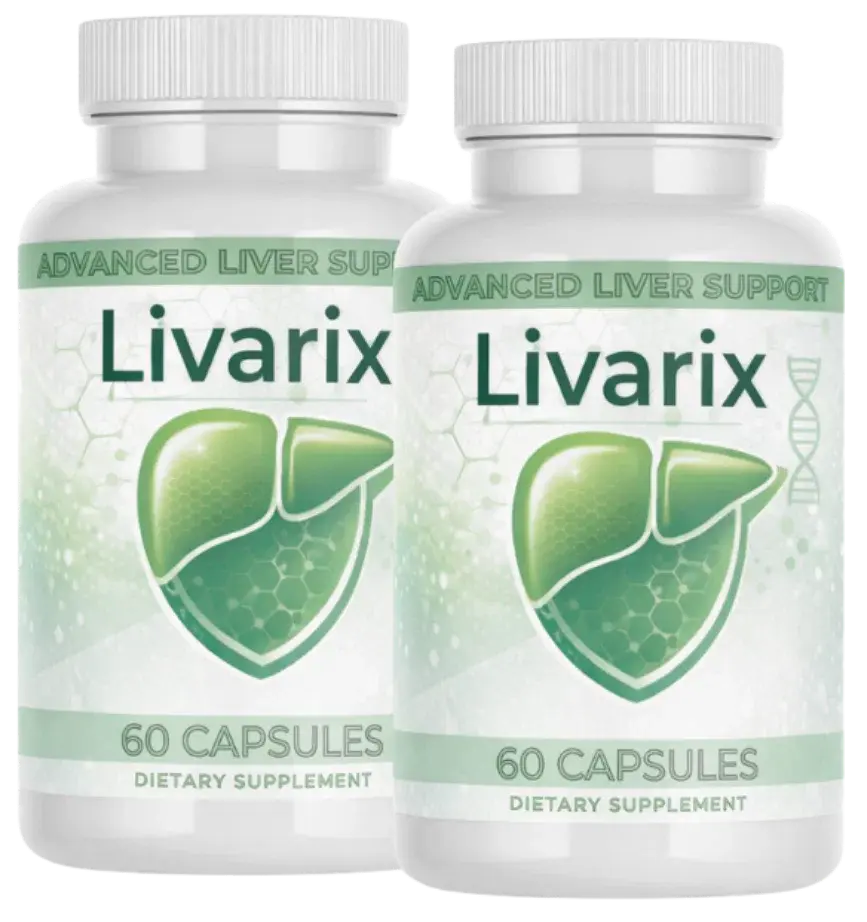
Livarix is a capsule-based dietary supplement marketed for general liver and metabolic wellness. Its published formulation contains eight ingredients: turmeric root, beetroot, dandelion leaf, artichoke extract, ginger root, milk thistle, alfalfa leaf, and L-cysteine HCl.
These ingredients have different nutritional and traditional uses. Some have been studied for antioxidant activity, digestive processes, and metabolic functions. However, scientific evidence supporting individual ingredients does not establish that the complete Livarix formula improves liver function or treats liver-related conditions.
Livarix is a dietary supplement, not a prescription medication or an established treatment for fatty liver disease, hepatitis, or other liver disorders.
Introduction: Why Is Liver Health Important?
The liver is one of the largest and most metabolically active organs in the human body. Located in the upper-right portion of the abdomen, it performs hundreds of biological functions that help maintain normal health.
Its responsibilities include processing nutrients, producing bile, storing certain vitamins and minerals, regulating blood glucose, and breaking down medications and other substances.
Because the liver participates in so many processes, maintaining its health is an important part of overall wellness.
Interest in liver health has also increased awareness of nutritional ingredients such as turmeric, milk thistle, ginger, beetroot, and artichoke. These ingredients frequently appear in discussions about antioxidant activity, digestive health, and botanical nutrition.
Livarix brings several of these ingredients together in one supplement formulation.
Understanding what the product contains requires looking beyond its ingredient names. The quantities, scientific evidence, limitations of existing studies, and possible safety considerations are equally important.
This article examines the available information about Livarix and its ingredients using an evidence-based approach.
What Are the Main Ingredients in Livarix?
According to the published product information, Livarix contains eight botanical and nutritional ingredients.
The following table summarizes the ingredient quantities disclosed by the brand.
| Ingredient | Published quantity |
|---|---|
| Turmeric Root Powder | 300 mg |
| Beetroot Powder | 200 mg |
| Dandelion Leaf Powder | 100 mg |
| Artichoke Extract | 50 mg |
| Ginger Root Powder | 50 mg |
| Milk Thistle Powder | 50 mg |
| Alfalfa Leaf Powder | 20 mg |
| L-Cysteine HCl | 10 mg |
The brand identifies artichoke extract as standardized to 5% cynarin.
These figures represent the published formulation information. The precise serving basis should be confirmed against the physical Supplement Facts label, particularly because product descriptions and serving instructions should not be assumed to establish identical quantities per capsule and per daily serving.
The formula combines familiar botanical ingredients with an amino acid involved in natural antioxidant production.
How Does Turmeric Relate to Liver Health?
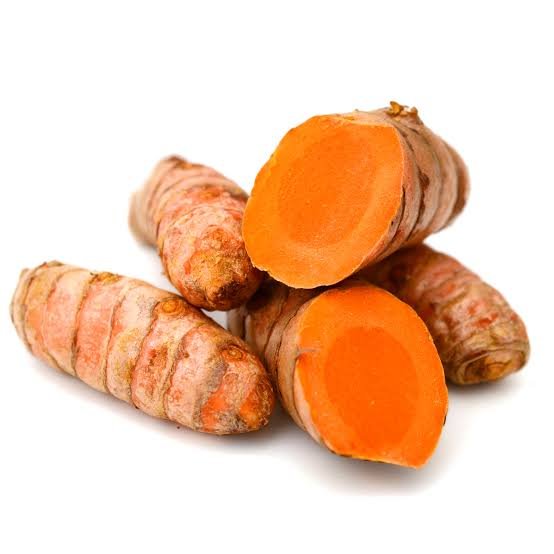
Turmeric is a yellow-colored root commonly used in cooking and traditional herbal preparations. Its most extensively studied compounds are curcuminoids, including curcumin.
Curcumin has attracted scientific attention because of its antioxidant and anti-inflammatory properties.
Researchers have investigated whether turmeric or curcumin may influence certain markers associated with metabolic health and liver conditions.
However, the available evidence requires careful interpretation.
According to the National Center for Complementary and Integrative Health (NCCIH), research involving turmeric and curcumin has not established definitive benefits for most health conditions.
The NCCIH also highlights an important safety issue: certain highly bioavailable curcumin formulations have been associated with reports of liver injury.
Therefore, the presence of turmeric in a supplement should not automatically be interpreted as proof of liver protection.
Key scientific point: Turmeric contains biologically active compounds, but its effects depend on the formulation, concentration, absorption, and individual health circumstances.
Scientific reference: https://www.nccih.nih.gov/health/turmeric
What Is the Role of Beetroot in Human Nutrition?
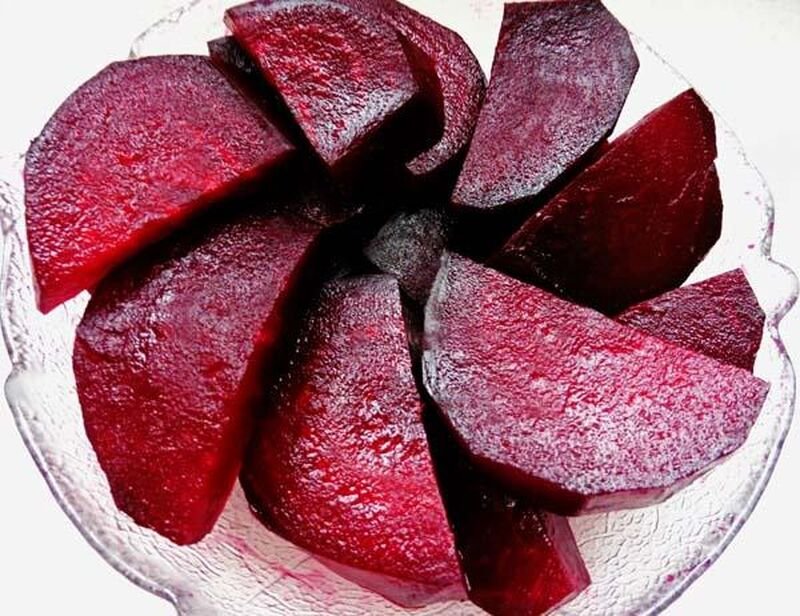
Beetroot is a naturally occurring root vegetable containing dietary nitrates, betalain pigments, and other plant compounds.
Dietary nitrates are involved in pathways associated with nitric oxide production. Nitric oxide helps regulate blood vessel function and circulation.
Beetroot has been examined in nutritional research, particularly in relation to cardiovascular function, exercise performance, and blood pressure.
Its betalain compounds have also attracted interest because of their antioxidant properties.
However, research involving beetroot consumption does not establish that the 200 mg quantity listed in Livarix improves liver function.
The amount, preparation, and composition of beetroot products can vary considerably.
Key scientific point: Beetroot provides naturally occurring plant compounds, but its specific contribution to liver health through the Livarix formula remains uncertain.
What Is Dandelion Leaf and Why Is It Used in Herbal Preparations?
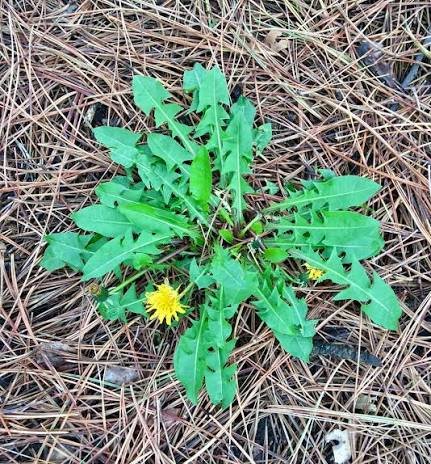
Dandelion is a flowering plant that has a long history of traditional use.
Its leaves and roots contain different naturally occurring compounds, including flavonoids and other plant constituents.
Dandelion has traditionally been associated with digestive health and bile-related functions.
Bile is produced by the liver and helps the digestive system process dietary fats. It also assists in absorbing fat-soluble vitamins.
Although dandelion has been investigated in laboratory and traditional herbal research, reliable human evidence establishing its effectiveness for improving liver function remains limited.
It is also important to distinguish between dandelion leaf and dandelion root because they are not identical in composition.
Key scientific point: Traditional use provides historical context, but it should not be confused with proven clinical effectiveness.
What Does Artichoke Extract Contain?
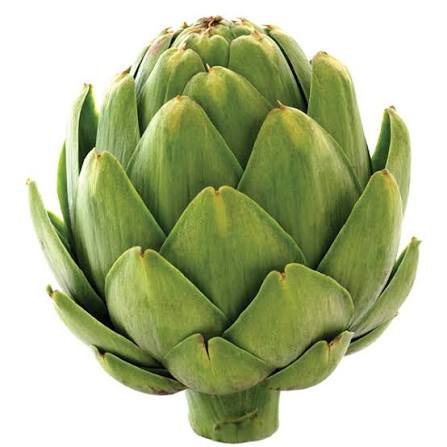
Artichoke is a vegetable commonly consumed as food. Its leaves contain several naturally occurring plant compounds, including cynarin and other polyphenols.
Artichoke leaf extracts have been investigated for their possible relationship with digestion, cholesterol metabolism, and antioxidant activity.
Some human studies have examined artichoke preparations in people experiencing digestive complaints or changes in blood lipid measurements.
However, these findings cannot automatically be applied to every artichoke-containing supplement.
The Livarix product information lists 50 mg of artichoke extract standardized to 5% cynarin.
This standardization indicates that the extract is described as containing a specified proportion of cynarin. It does not independently establish the effectiveness of the finished supplement.
Key scientific point: Artichoke has been investigated for digestive and metabolic applications, but further research is required to establish specific liver-related effects.
Why Is Ginger Included in Nutritional Formulations?
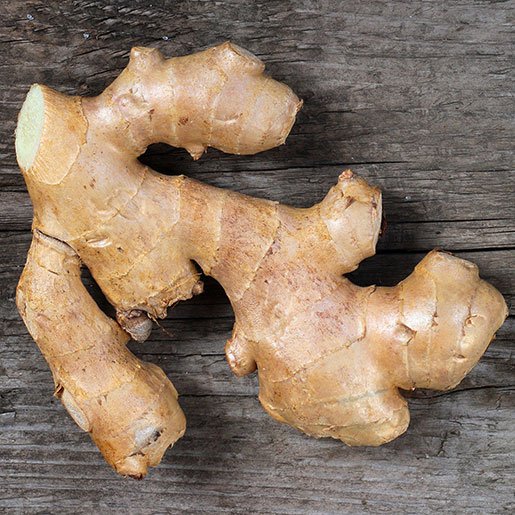
Ginger is a commonly consumed spice and traditional herbal ingredient.
It contains naturally occurring compounds known as gingerols and shogaols.
Scientific investigations have examined ginger for its potential relationship with nausea, digestive discomfort, and inflammatory processes.
Some human research supports specific uses of ginger for nausea, although findings vary depending on the condition and formulation.
Ginger can also cause digestive side effects in certain individuals, including heartburn, abdominal discomfort, and diarrhea.
People taking prescription medications should discuss concentrated ginger supplements with a healthcare professional.
Key scientific point: Ginger has recognized nutritional and traditional uses, but its presence in Livarix does not establish a clinically demonstrated improvement in liver function.
Scientific reference: https://www.nccih.nih.gov/health/ginger
What Is Milk Thistle and What Does Research Say About It?
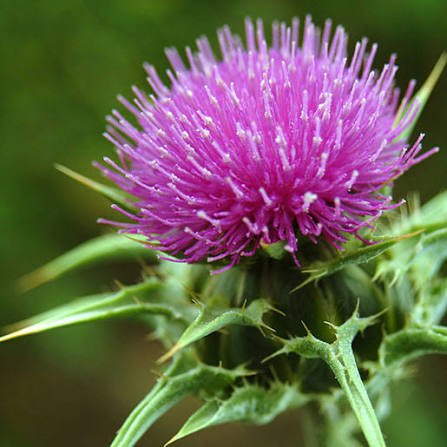
Milk thistle is one of the most frequently discussed botanical ingredients in liver-health research.
Its primary active-compound group is known as silymarin.
Researchers have investigated silymarin because of its antioxidant properties and possible effects on cellular processes.
Some studies have examined milk thistle in people with liver-related conditions. However, the clinical findings have been inconsistent.
The National Center for Complementary and Integrative Health explains that current research does not provide sufficient evidence to establish milk thistle as an effective treatment for liver diseases.
Another important consideration is the difference between milk thistle powder and standardized extracts.
A standardized extract may contain a measured concentration of silymarin, whereas ordinary plant powder can have a different concentration.
The published Livarix ingredient list identifies 50 mg of milk thistle powder without establishing a standardized silymarin concentration.
Key scientific point: Milk thistle is an extensively investigated botanical, but scientific interest should not be mistaken for proof of clinical effectiveness.
Scientific reference: https://www.nccih.nih.gov/health/milk-thistle
What Is Alfalfa Leaf?
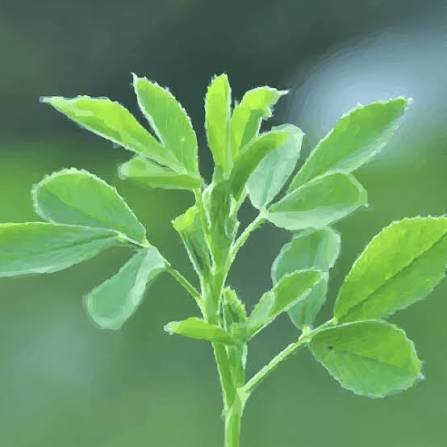
Alfalfa is a plant belonging to the legume family.
Its leaves contain various naturally occurring nutrients and plant compounds. Alfalfa has traditionally been used as food and in herbal preparations.
The nutritional composition of alfalfa depends on the plant material, growing conditions, and processing methods.
One important consideration is vitamin K, which plays a role in normal blood clotting.
People taking warfarin or other medication affected by vitamin K intake should consult a healthcare professional before using alfalfa-containing supplements.
At present, there is insufficient strong clinical evidence to establish that alfalfa leaf supplements improve liver function.
Key scientific point: Alfalfa has nutritional characteristics, but its specific therapeutic role in liver health has not been established.
How Is L-Cysteine Connected to Glutathione?
L-cysteine is a sulfur-containing amino acid involved in several important biological processes.
One of its recognized functions is participation in glutathione synthesis.
Glutathione is a naturally occurring antioxidant molecule found throughout the body. It helps protect cells from oxidative damage and participates in several metabolic reactions.
The liver is particularly important in glutathione metabolism because of its role in processing numerous substances.
However, the relationship between cysteine and glutathione does not mean that every cysteine-containing supplement produces a measurable increase in glutathione levels.
The result depends on several physiological and nutritional factors.
Livarix lists L-cysteine HCl at 10 mg.
Key scientific point: L-cysteine has an established biochemical role, but the clinical effects of its inclusion at this quantity in the complete Livarix formula have not been established.
How Does the Human Liver Naturally Process Substances?
The liver is central to the body’s natural metabolic and detoxification systems.
It uses specialized enzymes to modify different substances so that the body can process and eliminate them.
These processes are often described in three broad stages.
Phase I metabolism
During this stage, enzymes modify certain substances through reactions such as oxidation, reduction, and hydrolysis.
Phase II metabolism
During this stage, substances may undergo conjugation reactions. These reactions can make compounds easier for the body to transport and eliminate.
Phase III transport
Transport proteins help move certain processed substances out of cells and toward elimination through bile or other pathways.
These processes occur naturally as part of normal physiology.
The liver does not generally require a commercial detox supplement to perform its everyday functions.
It is also important to understand that a supplement cannot be assumed to improve all three stages simply because its ingredients have demonstrated antioxidant activity in laboratory experiments.
Is There Scientific Evidence That Livarix Improves Liver Function?
This is an important question when examining any multi-ingredient dietary supplement.
Scientific research involving turmeric, ginger, milk thistle, beetroot, and other botanicals provides information about individual ingredients.
However, ingredient-level research is different from a clinical trial involving the finished Livarix formulation.
To establish whether a complete supplement produces measurable health effects, researchers would ideally conduct well-designed human clinical trials.
Such research should examine:
- The exact formulation and ingredient quantities.
- The number and characteristics of participants.
- Appropriate comparison or placebo groups.
- Duration of supplementation.
- Relevant laboratory measurements.
- Adverse events and safety outcomes.
- Independent replication of the findings.
The publicly available Livarix product information does not establish that the complete formula has demonstrated effectiveness in a published randomized controlled clinical trial.
Consequently, it would be inaccurate to claim that Livarix has been clinically proven to repair liver cells, reverse fatty liver, remove toxins, or treat liver disease.
The distinction between promising ingredient research and proven product effectiveness is essential when evaluating supplement-related health information.
What Are the Possible Safety Considerations?
Dietary supplements can contain ingredients that interact with prescription medications or cause unwanted effects.
Even botanical ingredients commonly found in food may require additional consideration when consumed in concentrated supplement formulations.
Some relevant considerations include:
Turmeric: May cause digestive symptoms. Certain enhanced-bioavailability formulations have been associated with liver injury.
Ginger: May cause heartburn, stomach discomfort, or diarrhea in some people.
Milk thistle: May cause digestive symptoms or allergic reactions, particularly in people sensitive to related plants.
Dandelion: May cause allergic reactions in susceptible individuals. People with certain medical conditions or taking medications should seek professional guidance.
Alfalfa: Contains vitamin K, which may be relevant for people taking warfarin.
People with existing liver disease, gallbladder problems, or abnormal liver blood-test results should not rely on supplements instead of medical evaluation.
Pregnant or breastfeeding individuals should also consult a healthcare professional before using herbal supplements.
How Can Someone Maintain Normal Liver Health?
Liver health involves several interconnected lifestyle and medical factors.
Evidence-based approaches include:
- Maintaining a balanced diet containing vegetables, fruits, whole grains, and appropriate sources of protein.
- Maintaining a healthy body weight.
- Participating in regular physical activity.
- Limiting alcohol consumption.
- Avoiding unnecessary medication and supplement use.
- Following recommended hepatitis vaccination guidance.
- Managing conditions such as diabetes and high cholesterol.
- Seeking medical advice when symptoms or abnormal liver test results occur.
People with diagnosed liver conditions may require specific dietary recommendations, laboratory monitoring, or medical treatment.
These decisions should be based on their individual health circumstances rather than general supplement claims.
What Should Consumers Know About Dietary Supplement Regulation?
Livarix is marketed as a dietary supplement.
In the United States, dietary supplements are regulated differently from prescription medications.
According to the U.S. Food and Drug Administration (FDA), dietary supplements are not approved for safety and effectiveness before they are marketed.
Manufacturers and distributors are responsible for ensuring that their products meet applicable safety, manufacturing, and labeling requirements.
The FDA also explains that dietary supplement labels should provide information about serving size, ingredients, and quantities.
Therefore, an FDA-registered manufacturing facility should not be confused with FDA approval of an individual supplement.
Consumers should examine the actual Supplement Facts panel and look for transparent manufacturing and quality information.
Scientific reference: https://www.fda.gov/food/dietary-supplements/information-consumers-using-dietary-supplements
Frequently Asked Questions About Livarix
What is Livarix used for?
Livarix is marketed as a dietary supplement for general liver and metabolic wellness. Its formulation contains eight botanical and nutritional ingredients. It is not an established medical treatment for liver disease.
What are the eight ingredients in Livarix?
The published formula contains turmeric, beetroot, dandelion, artichoke extract, ginger, milk thistle, alfalfa, and L-cysteine HCl.
Does Livarix contain milk thistle?
Yes. The published ingredient information lists 50 mg of milk thistle powder. However, a standardized silymarin concentration is not established in the published ingredient list.
Does Livarix contain turmeric?
Yes. The published formulation lists 300 mg of turmeric root powder.
Can Livarix reverse fatty liver?
There is no established clinical evidence demonstrating that the complete Livarix formula reverses fatty liver disease. People with metabolic dysfunction-associated steatotic liver disease (MASLD) should follow an individualized medical care plan.
Is Livarix FDA-approved?
Dietary supplements are not FDA-approved for safety and effectiveness before marketing. Consumers should not interpret a manufacturer’s FDA facility registration as approval or endorsement of its product.
Has Livarix been tested in human clinical trials?
The publicly available product information does not establish the existence of a published randomized controlled human clinical trial testing the complete Livarix formula.
Can herbal supplements cause liver problems?
Yes. Although many botanical ingredients are commonly consumed as food, certain herbal and dietary supplements have been associated with liver injury. Safety depends on the ingredient, formulation, amount, and individual circumstances.
What is the relationship between glutathione and liver health?
Glutathione is an antioxidant naturally produced by the body. It participates in cellular protection and metabolic processes, including those involved in the liver’s normal functioning.
Is it necessary to take liver detox supplements?
No. A healthy liver already has natural metabolic and detoxification systems. Commercial detox supplements are not a medical requirement for maintaining normal liver function.
Conclusion: Understanding Livarix Through Science
Livarix is a multi-ingredient dietary supplement containing eight botanical and nutritional components associated with different areas of nutritional and biological research.
Its ingredients include turmeric, beetroot, dandelion, artichoke, ginger, milk thistle, alfalfa, and L-cysteine HCl.
Some of these ingredients have been investigated for antioxidant properties, digestive processes, and metabolic functions. Nevertheless, the available evidence varies considerably, and many proposed health effects remain uncertain.
The most important distinction is that scientific research on individual ingredients does not prove that the complete Livarix formula produces the same results.
At present, the publicly available information does not establish that Livarix treats liver disease, reverses fatty liver, or provides clinically proven improvements in liver function.
Understanding the ingredient composition, examining scientific evidence, reviewing safety information, and consulting qualified healthcare professionals are important steps when evaluating any dietary supplement.
Medical Disclaimer: This article is provided for educational and informational purposes only. It is not intended to diagnose, treat, cure, or prevent any disease. Consult a qualified healthcare professional before using dietary supplements, especially if you have a medical condition, take prescription medication, are pregnant, or are breastfeeding.
Scientific References and Authoritative Resources
- National Center for Complementary and Integrative Health (NCCIH) – Turmeric: https://www.nccih.nih.gov/health/turmeric
- NCCIH – Milk Thistle: https://www.nccih.nih.gov/health/milk-thistle
- NCCIH – Ginger: https://www.nccih.nih.gov/health/ginger
- U.S. Food and Drug Administration – Information for Consumers on Using Dietary Supplements: https://www.fda.gov/food/dietary-supplements/information-consumers-using-dietary-supplements
- NIH Office of Dietary Supplements – Dietary Supplements: What You Need to Know: https://ods.od.nih.gov/factsheets/WYNTK-Consumer/
- Mayo Clinic – Vitamins and Supplements for Fatty Liver Disease: https://www.mayoclinic.org/diseases-conditions/fatty-liver-disease-masld/in-depth/vitamins-and-supplements-for-fatty-liver-disease-masld/art-20587290