
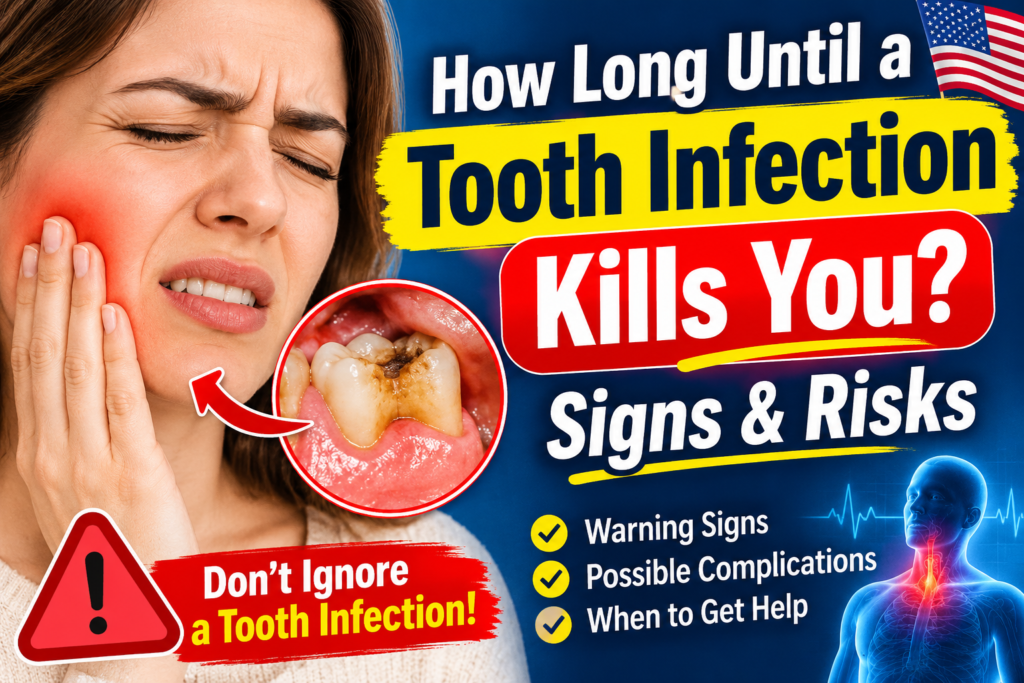
A tooth infection may begin with something that seems relatively minor, such as a toothache, gum swelling, sensitivity, or discomfort when chewing. However, an untreated dental infection can sometimes develop into a serious medical condition.
One question people commonly ask is: How long until a tooth infection kills you?
The honest answer is that there is no predictable timeline. Some dental infections remain localized for a period of time, while others can spread into surrounding tissues and, in rare cases, cause life-threatening complications. The speed of progression depends on factors such as the severity of the infection, the person’s immune system, and whether treatment is received.
A tooth infection should never be ignored, especially when swelling, fever, difficulty swallowing, or breathing problems develop. Understanding the warning signs can help people recognize when professional dental or emergency medical care is necessary.
Important medical warning
If you have difficulty breathing or swallowing, rapidly increasing swelling in your face or neck, or swelling under your tongue, seek emergency medical care immediately. Do not wait for the symptoms to improve on their own.
How Long Can a Tooth Infection Go Untreated?
There is no fixed amount of time before a tooth infection becomes life-threatening. The infection may remain around the affected tooth initially, but it can gradually spread into nearby tissues, the jawbone, or deeper areas of the head and neck.
According to the Cleveland Clinic, an untreated tooth abscess may take days, weeks, or even months to spread. However, the progression is unpredictable, and serious infections can become dangerous much sooner. Cleveland Clinic+1
The important thing to understand is that a person should not wait for severe symptoms before seeking treatment.
A simplified overview of possible progression is:
- Early stage: Toothache, sensitivity, and localized inflammation may develop.
- Developing infection: Pus may accumulate around the tooth root or gum, creating an abscess.
- Spreading infection: Swelling may extend into the face, jaw, or neck, sometimes accompanied by fever.
- Severe complications: In rare cases, bacteria can spread into deeper tissues or the bloodstream, potentially causing sepsis or airway obstruction.
These are possible clinical developments, not a guaranteed timeline or a sequence that every patient experiences.
Can a Tooth Infection Actually Kill You?
Yes. Although most dental infections can be treated successfully, a severe untreated tooth infection can become life-threatening.
The main concern is that bacteria may move beyond the original infection site. When this happens, several serious complications may occur.
Sepsis
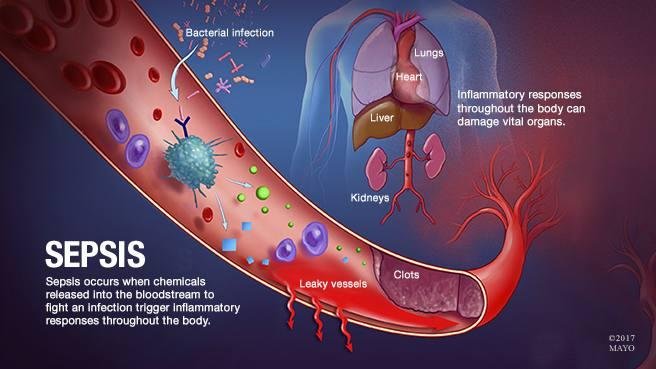
Science Saturday: Developing a digital bloodhound – Mayo Clinic News Network
Sepsis is a life-threatening response to an infection that can cause damage to multiple organs.
If bacteria from a dental infection enter the bloodstream or trigger a severe systemic response, the infection may contribute to sepsis.
Possible warning signs include:
- High fever or unusually low body temperature
- Rapid heartbeat
- Rapid breathing
- Confusion or disorientation
- Severe weakness
- Dizziness or fainting
Sepsis requires immediate medical assessment and treatment. Mayo Clinic+1
Ludwig’s Angina
Ludwig Angina – Ear, Nose & Throat | UWorld Medical Library
Ludwig’s angina is a serious bacterial infection involving the tissues beneath the tongue and around the lower jaw.
It can sometimes develop from an infection originating in a lower tooth.
As swelling increases, it may push the tongue upward and backward, potentially blocking the airway.
Warning signs include:
- Swelling beneath the jaw
- Swelling under the tongue
- Difficulty swallowing
- Difficulty speaking
- Difficulty breathing
This is a medical emergency requiring immediate hospital treatment. WHO+1
Infection Spreading to the Jawbone
A dental infection can sometimes spread into the surrounding bone, causing a condition called osteomyelitis.
This may result in:
- Persistent jaw pain
- Swelling around the affected area
- Fever
- Difficulty chewing
- Ongoing inflammation
Treatment may involve antibiotics, drainage, and sometimes surgery, depending on the severity.
Infection Spreading to Other Areas
In rare cases, bacteria from an untreated dental abscess may spread into deeper tissues around the head and neck or other parts of the body.
Potential complications include deep neck infections, brain abscesses, and other serious infections. These complications are uncommon but demonstrate why dental infections require proper treatment. MedlinePlus+1
What Are the Warning Signs of a Dangerous Tooth Infection?
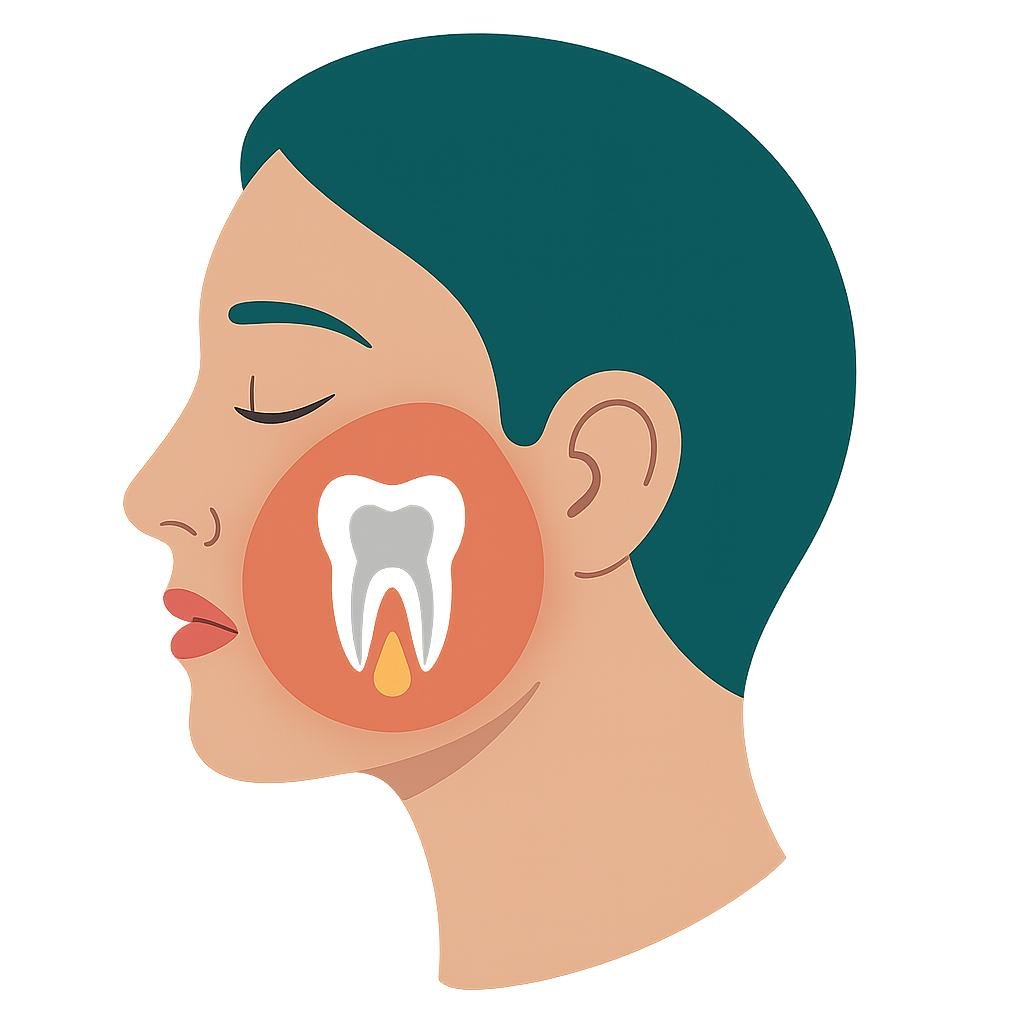
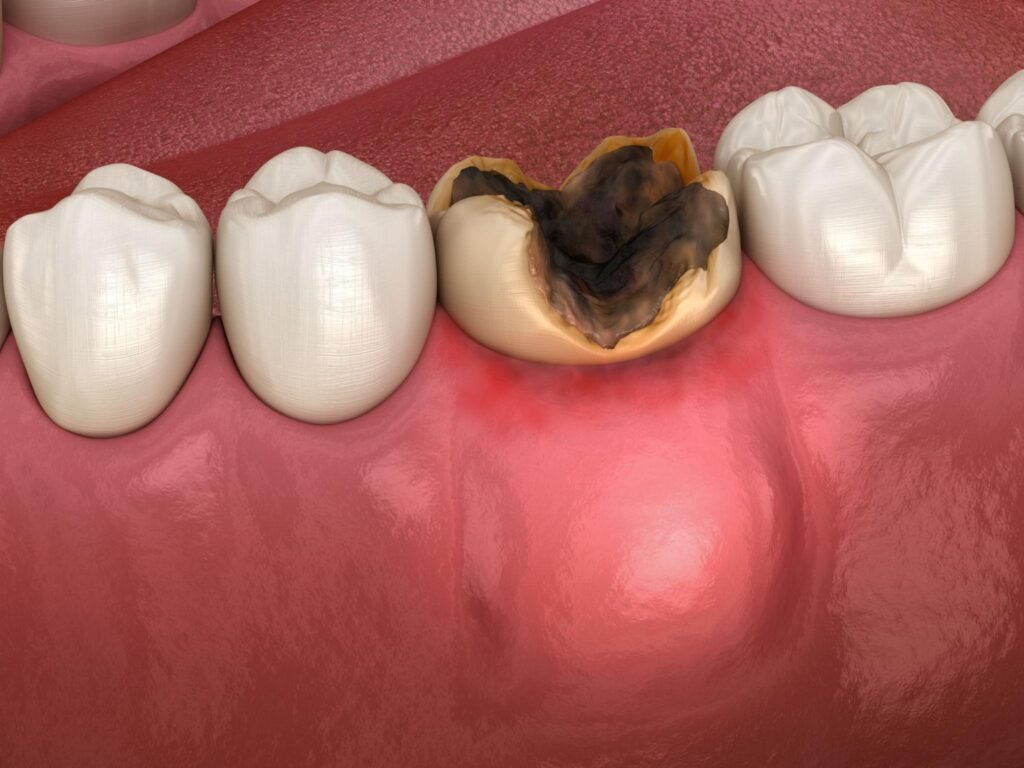
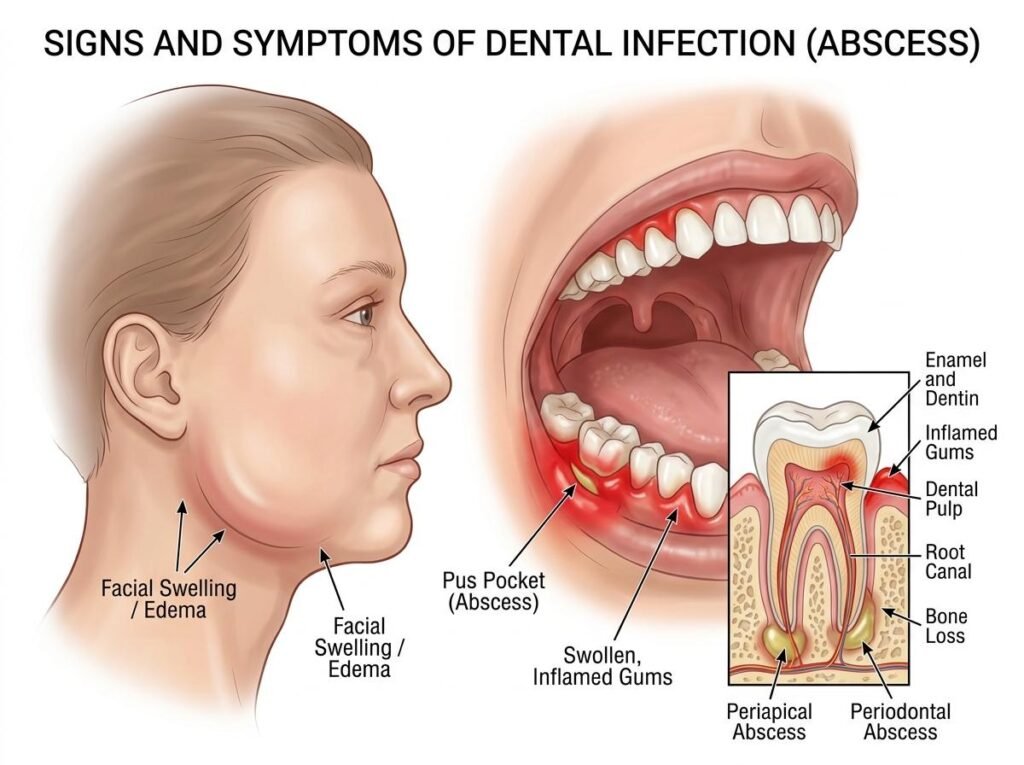
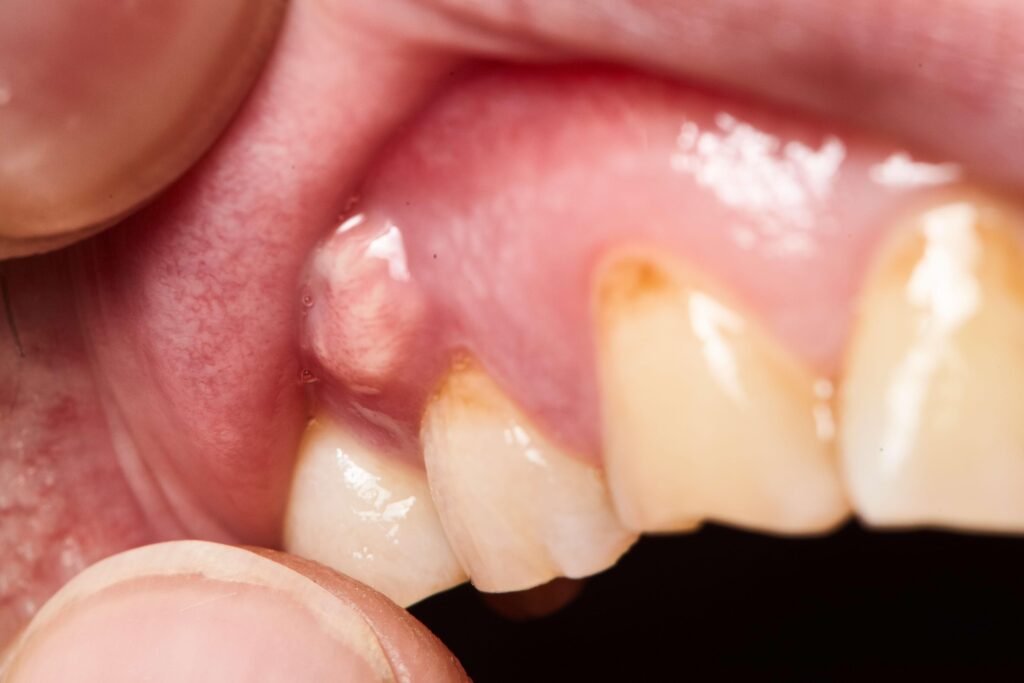
Recognizing symptoms early is important because a tooth infection does not always begin with severe pain.
Some people experience mild discomfort initially, while others develop noticeable swelling and systemic symptoms.
Here are some common warning signs.
Gum Abscess: Symptoms, Causes, and Treatments – Oral-B
#1 Emergency Dentist Near Me: Fast Relief
Periodontitis and gum inflammation. Medically accurate dental 3D illustration
10
| Symptom | What it may indicate |
|---|---|
| Persistent toothache | Possible infection inside the tooth |
| Swollen gums | Local inflammation or abscess |
| Pus around the tooth | Possible dental abscess |
| Facial swelling | Infection may be spreading |
| Fever | Possible systemic infection |
| Bad taste in the mouth | Possible drainage from an abscess |
| Swollen lymph nodes | Immune response to infection |
| Difficulty opening the mouth | Possible deeper infection |
Other symptoms may include sensitivity to hot and cold foods, pain when biting, and discomfort that spreads toward the ear, jaw, or neck. NHS+1
Important: Facial or neck swelling, fever, and worsening symptoms require urgent medical assessment. Breathing or swallowing difficulties require emergency care.
How Fast Can a Tooth Infection Spread to the Brain or Bloodstream?
This is another common concern among people experiencing dental pain.
A tooth infection does not normally spread directly to the brain. However, in rare cases, bacteria can travel through surrounding tissues, blood vessels, or connected anatomical spaces and cause serious infections elsewhere.
Can a tooth infection spread to the bloodstream?
Yes. A severe dental infection can contribute to a systemic infection, including sepsis.
The risk is greater when an infection is untreated, spreading, or occurring in someone with a weakened immune system.
Can a tooth infection spread to the brain?
Rarely, an infection originating in the teeth or surrounding facial tissues can contribute to an intracranial infection, such as a brain abscess.
Possible symptoms of serious intracranial infection include:
- Severe or worsening headache
- Fever
- Confusion
- Seizures
- Changes in consciousness
- Neurological symptoms
These symptoms require emergency medical evaluation. MedlinePlus+1
There is no reliable number of hours or days that can predict whether an infection will spread to the bloodstream or brain.
Who Is at Greater Risk of Serious Tooth Infection Complications?
Not everyone experiences dental infections in the same way. Certain medical conditions and circumstances can increase the risk of infection spreading or becoming more difficult to control.
People who may need particular attention include:
1. People with diabetes: Poorly controlled diabetes can affect immune function and make infections harder to manage.
2. People with weakened immune systems: Individuals receiving chemotherapy, taking certain immune-suppressing medicines, or living with immune disorders may be more vulnerable.
3. Older adults: Other health conditions and reduced immune responses may complicate infection management.
4. People who delay dental treatment: Leaving an abscess untreated allows the underlying infection to remain active and potentially spread.
5. People with severe dental disease: Extensive tooth decay, gum disease, and untreated dental injuries can create opportunities for bacterial infection.
People in these groups should seek prompt professional evaluation rather than attempting to manage a suspected abscess at home. Mayo Clinic+1
What Happens If You Ignore an Infected Tooth?
Ignoring a tooth infection does not mean the infection will disappear.
In some cases, the pain may temporarily decrease because pressure inside the abscess changes or the infected nerve tissue dies. However, reduced pain does not necessarily mean the infection has healed.
An untreated dental abscess can lead to:
- Continued destruction of the tooth.
- Damage to surrounding gum tissue.
- Infection of the jawbone.
- Facial and neck swelling.
- Difficulty eating or chewing.
- Spread of infection into deeper tissues.
- Rarely, life-threatening complications such as sepsis.
According to Mayo Clinic, even if an abscess ruptures and pain improves, professional dental treatment is still necessary. Mayo Clinic+1
How Is a Tooth Infection Treated?
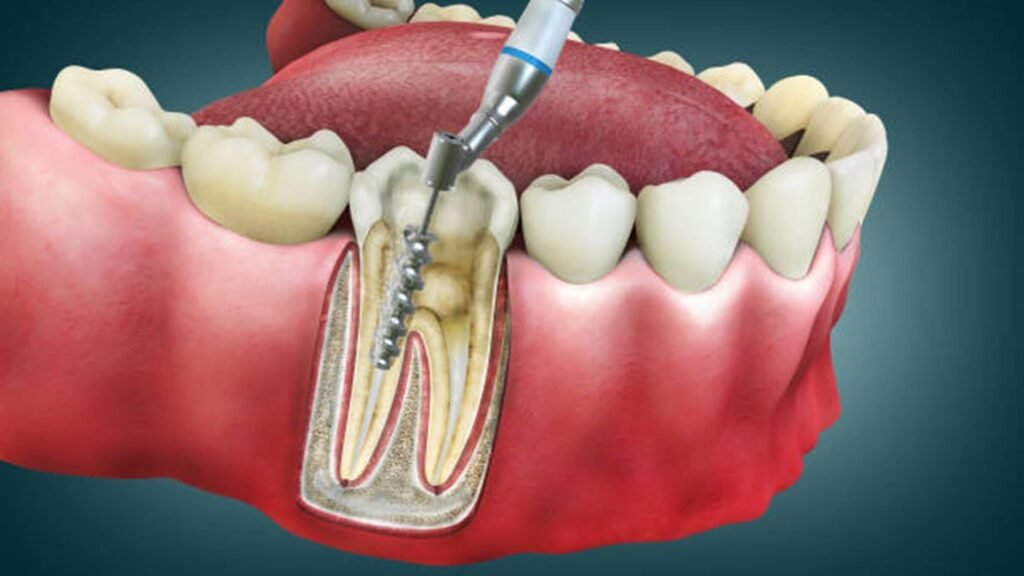
Treatment depends on the location, severity, and underlying cause of the infection.
A dentist will examine the affected area and may use dental X-rays to determine how far the infection has progressed.
Common treatment options include:
Root Canal Treatment
Demystifying Root Canal Treatment: Your FAQs Answered |
A root canal may be recommended when infection reaches the pulp inside the tooth.
The dentist removes infected tissue, cleans the root canals, and seals the tooth to help preserve it.
Tooth Extraction
If the tooth is severely damaged and cannot be saved, extraction may be necessary to remove the source of infection.
Abscess Drainage
A dentist may drain accumulated pus to reduce pressure and help control the infection.
Antibiotics
Antibiotics may be prescribed when there are signs of spreading infection or systemic involvement.
However, antibiotics alone are not always sufficient to eliminate a dental abscess. The source of the infection generally needs definitive dental treatment, such as drainage, root canal treatment, or extraction. NHS+1
What Can You Do at Home While Waiting for Dental Treatment?
Home care may help reduce discomfort temporarily, but it cannot cure an established dental abscess.
Some supportive measures include:
- Rinse your mouth gently with warm salt water.
- Eat soft foods that do not require extensive chewing.
- Avoid very hot or cold foods if they trigger pain.
- Maintain gentle oral hygiene using a soft toothbrush.
- Consider an appropriate over-the-counter pain reliever if it is safe for you and follow the package instructions.
Avoid these mistakes:
- Do not attempt to pop or drain an abscess yourself.
- Do not place aspirin directly on the tooth or gums.
- Do not take leftover antibiotics without medical advice.
- Do not delay professional treatment because the pain temporarily disappears.
If you develop emergency symptoms, do not rely on home remedies. Go to an emergency department immediately. NHS+1
How Can You Prevent a Tooth Infection?
Good oral hygiene and regular dental checkups can reduce the risk of tooth decay, gum disease, and dental abscesses.
Consider following these preventive habits:
- Brush your teeth twice daily with fluoride toothpaste.
- Floss or use interdental brushes every day.
- Schedule regular dental examinations.
- Treat cavities before they become deeper infections.
- Avoid frequent consumption of sugary foods and drinks.
- Seek dental attention after a cracked or injured tooth.
- Do not ignore persistent tooth sensitivity or gum swelling.
Preventive dental care is generally easier and less expensive than treating advanced dental infections. NHS+1
Frequently Asked Questions (FAQs)
How long can you survive with an untreated tooth infection?
There is no established survival timeline for an untreated tooth infection. Some infections remain localized for an extended period, while others spread and cause serious complications. A severe spreading infection can become life-threatening. Seek dental treatment as soon as possible.
Can a tooth infection kill you in 24 hours?
A tooth infection does not automatically become fatal within 24 hours. However, rapidly progressing infections can cause dangerous complications. Breathing difficulties, swallowing problems, or rapidly increasing facial or neck swelling require emergency medical attention.
Can a tooth infection cause sepsis?
Yes. In rare cases, bacteria associated with a dental infection can contribute to sepsis, a life-threatening response to infection that can damage organs.
Can a tooth infection go away without antibiotics?
Some dental infections require treatment without antibiotics, while others may need antibiotics alongside dental procedures. However, an established dental abscess generally does not resolve permanently without professional treatment.
What happens if a tooth abscess bursts on its own?
An abscess may release pus into the mouth, sometimes reducing pressure and pain. However, this does not mean the infection has disappeared. You still need urgent dental assessment.
Is a tooth infection more dangerous at night?
There is no evidence that tooth infections inherently become more dangerous at night. However, pain may feel worse when lying down, and delaying treatment until morning can be risky if serious symptoms develop.
When should I go to the emergency room for a tooth infection?
Seek emergency medical care if you experience:
- Difficulty breathing or swallowing.
- Significant swelling inside your mouth.
- Swelling under your tongue or around your neck.
- Difficulty speaking.
- Swelling around the eye or sudden vision problems.
- Confusion or severe illness alongside a suspected infection.
Do not wait for a dental appointment if these symptoms are present.
Conclusion: Don’t Ignore a Tooth Infection
A tooth infection may initially seem like a minor dental problem, but ignoring it can have serious consequences. While most dental abscesses are treatable, untreated infections can sometimes spread into the jaw, facial tissues, neck, or bloodstream.
The answer to how long until a tooth infection kills you is not a specific number of hours, days, or weeks. It depends on the infection and the individual’s health.
The safest approach is to seek professional dental treatment as soon as possible rather than waiting for symptoms to become severe. Early diagnosis and appropriate treatment can prevent many complications and help protect your overall health.
Scientific References and Medical Resources
For readers who want to explore the medical information further, these reputable resources provide additional guidance:
- Mayo Clinic – Tooth Abscess: Symptoms and Causes.
- Cleveland Clinic – Abscessed Tooth: Symptoms, Causes and Treatment.
- NHS – Dental Abscess: Symptoms and Treatment.
- World Health Organization – Management of Dental Infections.
- MedlinePlus – Tooth Abscess: Medical Information.
Medical Disclaimer
This article is intended for general educational and informational purposes. It does not replace professional dental diagnosis, medical advice, or emergency treatment. If you suspect a dental abscess, contact a qualified dentist promptly. If you experience breathing or swallowing difficulties, seek emergency medical care immediately.